


VIGLACERA BOOSTS INVESTMENT PROMOTION CONNECTING SOUTH KOREAN ENTERPRISES IN SEOUL
Wednesday, 16 September 2026
South Korea is currently solidifying its position as the largest foreign investor in Vietnam, with cumulative registered capital exceeding USD 102 billion. Over more than three decades of strong cooperation, South Korean enterprises have established a deep presence in the Vietnamese market, playing a vital role in manufacturing, electronics, high technology, and supporting industries. Amid expanding and continuously strengthened bilateral investment relations, on September 15, 2026, Viglacera collaborated with the Embassy of Vietnam in South Korea and strategic partners to successfully organize a series of two key investment promotion activities in Seoul, attracting the interest and attendance of nearly 80 South Korean business representatives.
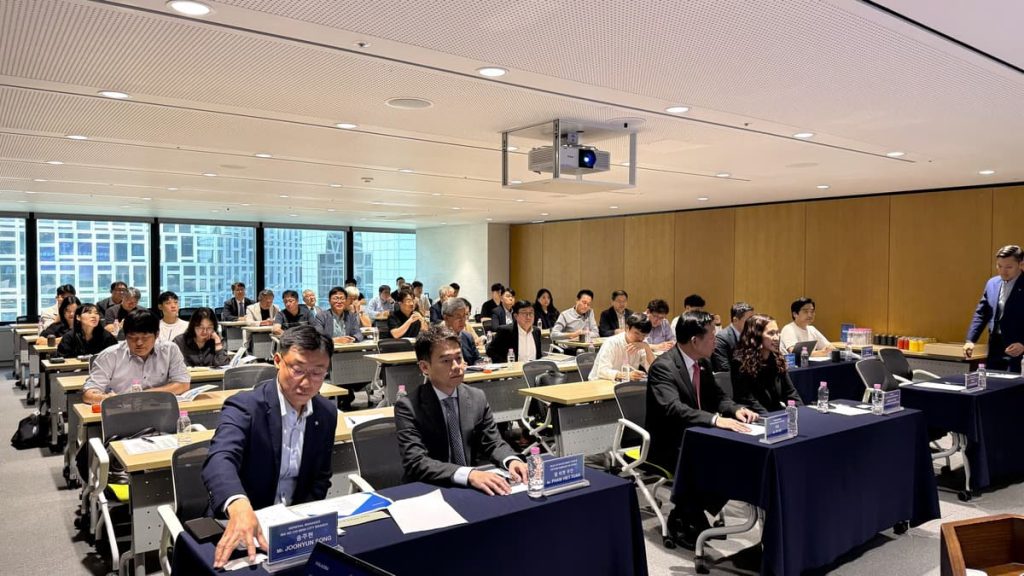
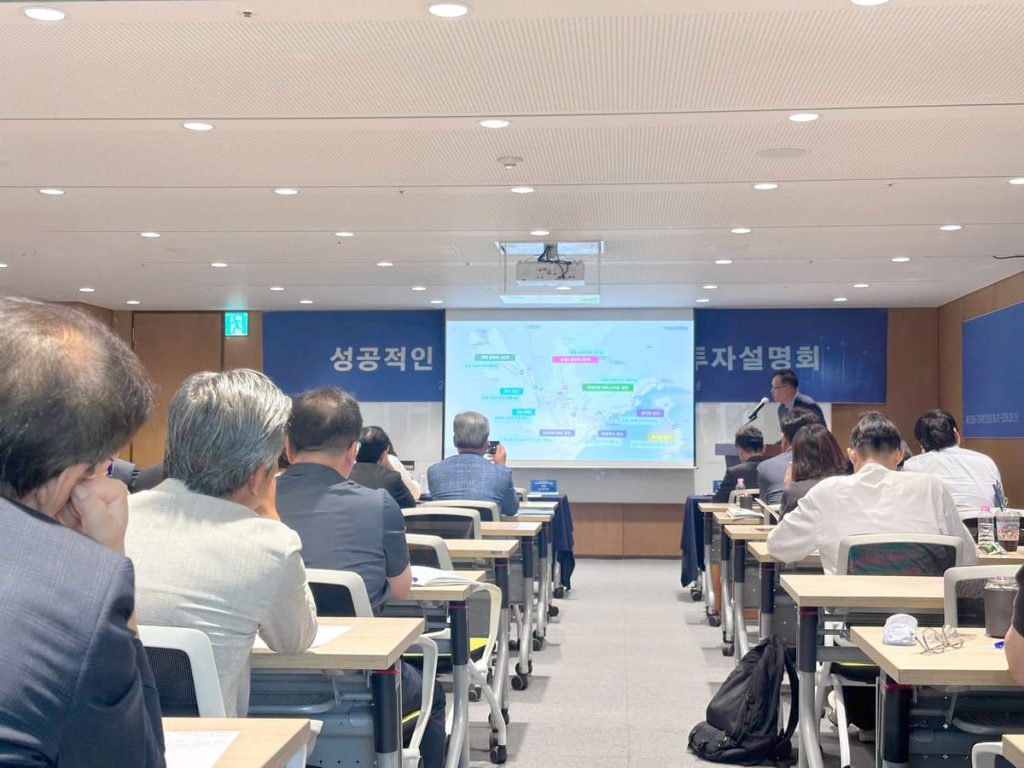
Kicking off the series of events, Viglacera partnered with the Embassy of Vietnam in South Korea and the Industrial Bank of Korea (IBK) to host an investment promotion seminar titled “Successful Investment in Vietnam.” The event gathered nearly 50 South Korean enterprises, offering a comprehensive platform to share insights into Vietnam’s macroeconomic outlook and investment climate. At the same time, the seminar provided an opportunity for Viglacera to directly present the potential and outstanding advantages of its smart, green industrial park ecosystem.
Within the framework of the program, South Korean investors engaged in direct dialogue, clarifying core issues regarding the legal environment, strategic project locations, technical infrastructure quality, and other essential prerequisites during the investment evaluation stage. Speaking at the seminar, Ambassador of Vietnam to South Korea Vu Ho emphasized that the true value of an FDI project today is not measured solely by capital size. A high-quality project is also evaluated by its capacity to train skilled human resources, transfer technology, boost research and development (R&D) activities, and enable Vietnamese enterprises to integrate deeper into global supply chains. In this process, Viglacera acts as a key driving force turning investment potential into concrete projects.
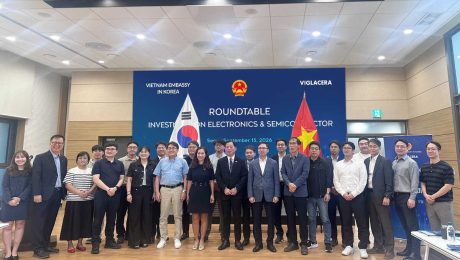
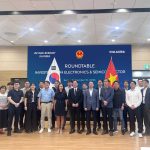
Building on the morning event’s success, on the afternoon of the same day, Viglacera collaborated with the Embassy of Vietnam in South Korea to hold an in-depth seminar on investment cooperation in the electronics and semiconductor sectors. The event attracted nearly 30 South Korean businesses operating within Samsung’s electronics and semiconductor supply chains. Anticipating the shifting and expanding manufacturing trends of global semiconductor companies toward Vietnam, Viglacera demonstrated agility by proactively readying standardized industrial land funds, prepared to fulfill the most stringent technical requirements of modern high-tech projects.
At the seminar, Viglacera representatives provided detailed insights into its nationwide industrial park network, highlighting strategic trade locations, infrastructure capacity, and project implementation support services. Leveraging extensive experience in industrial real estate development, Viglacera consistently guarantees the timely handover of construction-ready land alongside synchronized, reliable technical infrastructure—from power and water supplies to wastewater treatment facilities. Notably, Viglacera’s dedicated One-Stop Service department accompanies and supports investors throughout the project lifecycle, meeting the rigorous standards of the electronics and semiconductor industries. This thorough preparation won high appreciation and sparked practical discussions with South Korean investors.
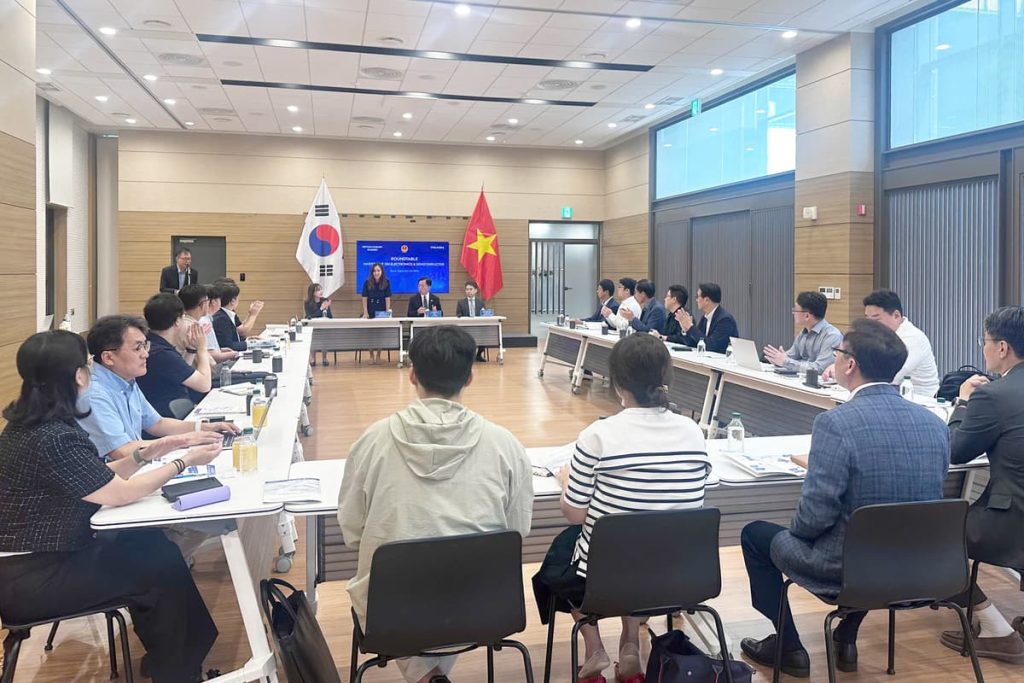
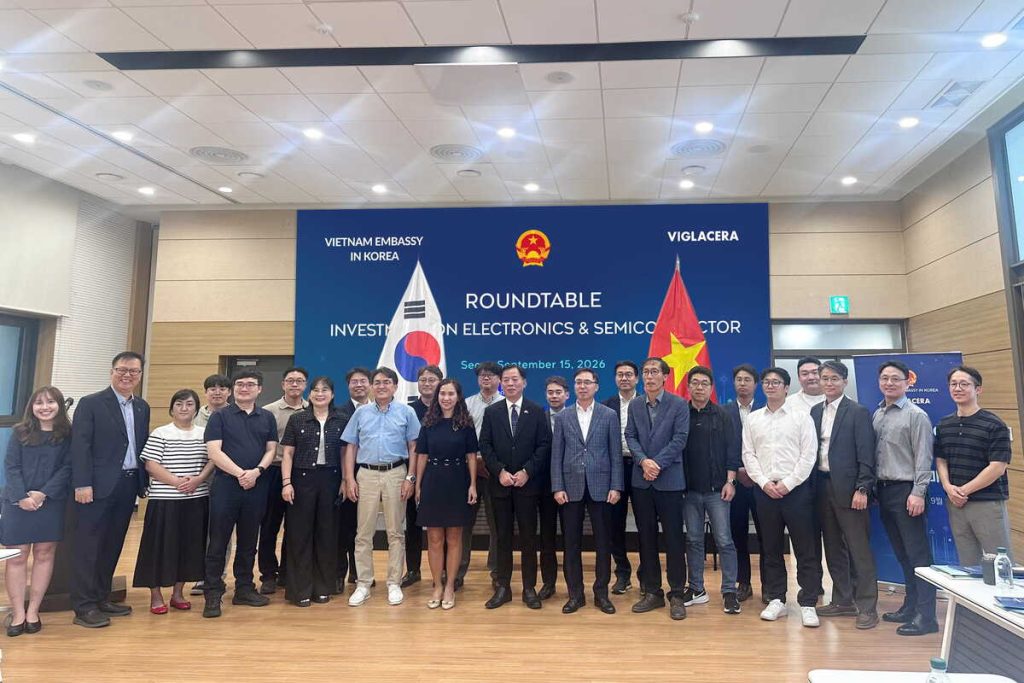
The series of two events in Seoul on September 15 represents another step forward in Viglacera’s long-term investment promotion strategy in South Korea. This initiative not only strengthens ties with the local business community but also serves as a bridge bringing investment opportunities in Vietnam closer to international partners.
With over 25 years of experience and 18 industrial parks in key economic locations nationwide, Viglacera Industrial Parks have become a trusted destination, attracting over USD 20 billion in high-quality FDI from leading South Korean conglomerates such as Samsung, Amkor, Hyosung, and POSCO Future M. This solid foundation of cooperation serves as an important prerequisite, continuing to open up opportunities for Viglacera to partner with South Korean enterprises in exploring and creating new successful projects in Vietnam.
- Published in News, Tin tức KCN
No Comments
GROUNDBREAKING OF THE HA NOI – QUANG NINH HIGH-SPEED RAILWAY PROJECT
Monday, 03 August 2026
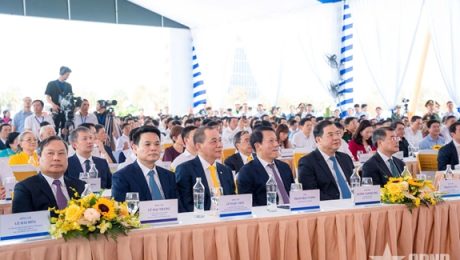
On April 12, the People’s Committee of Quang Ninh Province and Vingroup Corporation, in coordination with the People’s Committees of Hanoi, Hai Phong, and Bac Ninh, officially broke ground on the Hanoi – Quang Ninh high-speed railway project, which is expected to be completed by the end of 2028. With a maximum design speed of up to 350 km/h, the project will help shorten travel time between the two localities by 5 to 7 times, down to just about 23 minutes.
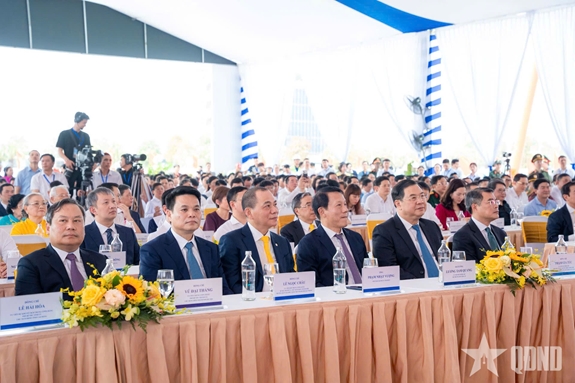
The Hanoi – Quang Ninh high-speed railway project is invested by VinSpeed High-Speed Railway Investment and Development Joint Stock Company (Vingroup) with a total investment of over VND 147,000 billion, equivalent to more than USD 5.6 billion (excluding site clearance costs).
The project passes through 4 localities: Hanoi – Bac Ninh – Hai Phong – Quang Ninh with a total length of 120.2 km. It is designed according to double-track standards, 1,435 mm gauge, fully electrified, with a maximum speed of up to 350 km/h, while the section through Hanoi has a maximum speed of 120 km/h. The project is expected to use the latest, most modern generation of high-speed trains along with world-leading signaling, communication, and equipment systems supplied by Siemens Mobility (Germany), which will gradually transfer technology to VinSpeed during operation.
The starting point of the line is located at Co Loa station (Vietnam Exhibition Center, Vinhomes Global Gate Hanoi Urban Area), and the endpoint is at Ha Long station (Globe Forest Park, Vinhomes Global Gate Ha Long, Quang Ninh). The route will pass through 3 transfer stations: Gia Binh (Bac Ninh), Ninh Xa (Hai Phong), Yen Tu (Quang Ninh), and will feature 1 depot located at the Ha Long terminal station.
- Published in News
QUANG NINH – MOVES ONE STEP CLOSER TO BECOMING A CITY
Monday, 03 August 2026
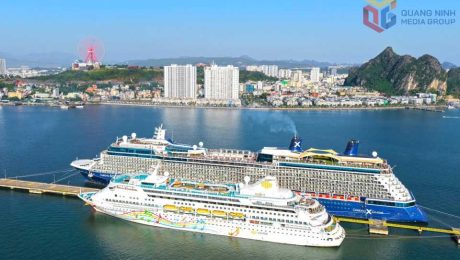
Conclusion No. 20-KL/TW dated April 7, 2026, of the Politburo clearly states: Agreed on the policy to establish Quang Ninh City directly under Central authority based on the administrative boundaries of Quang Ninh Province. In implementing this directive, Quang Ninh is urgently carrying out the steps, processes, and procedures to strive to turn the province into a centrally-governed city in 2026.
Regarding the progress, the Deputy Prime Minister requested Quang Ninh to complete the dossier for submission to the Party Central Committee no later than July 5. After absorbing feedback from the Central authorities, relevant agencies will continue to refine the documents to submit to the National Assembly for consideration at the October session to ensure thorough preparation and the highest quality.
On June 26, the Minister of Construction signed Decision No. 1026/QD-BXD recognizing Quang Ninh Province as meeting Class I urban criteria. This is an important milestone, laying the foundation for the province to continue finalizing conditions to realize its goal of becoming a city directly under Central authority.
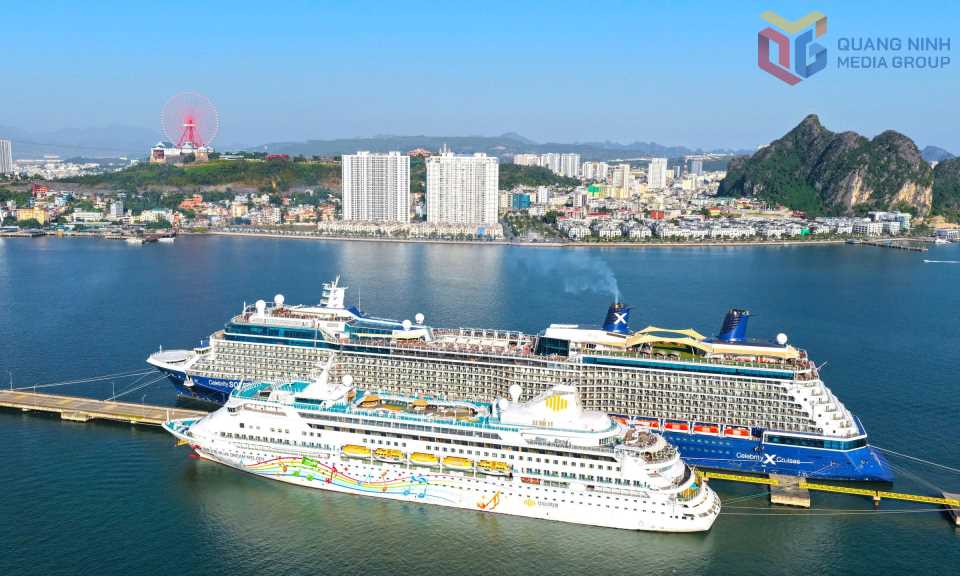
Recently, the Provincial People’s Council organized its 4th Session to consider and unanimously pass the Resolution adjusting the Master Plan of Quang Ninh Province for the 2021–2030 period, with a vision to 2050.
In particular, the Resolution defines the objective that by 2030, Quang Ninh will be a Class I urban area, a civilized and modern city; people’s living standards will be elevated and comprehensively developed in all aspects, ensuring harmonious development between urban and rural areas, as well as between centers and remote, isolated, and ethnic minority regions. It affirms the role as a sustainable growth pole of the Red River Delta and the Northern key economic zone; a dynamic center for development, a leading pioneer in new economic sectors with modern governance models; an international tourism hub, a strong national maritime economic center, and an urban economic center linked with world natural and cultural heritage values; a gateway for international connectivity for the country and the ASEAN region with China. The urban spatial structure will be built towards green, smart development, adaptive to climate change and sea level rise, featuring a multi-polar, multi-center, multi-tier, multi-directional, multi-layer, and multi-functional integrated urban system that ensures tight connections with rural areas; serving as a solid defense zone for national defense and security, as well as a frontline for international economic cooperation and competition.
The province strives for an average GRDP growth rate of about 12% per year during the 2026–2030 period, with per capita GRDP at current prices reaching approximately USD 20,000 by 2030, the digital economy accounting for around 30% of GRDP, an urbanization rate above 75%, and no remaining poor households according to national multidimensional poverty standards. This Resolution establishes a 100-year vision for Quang Ninh as a global heritage coastal city, a smart and creative urban area rich in identity, and an exemplary destination worldwide.
With the Provincial People’s Council passing the Resolution adjusting the Master Plan of Quang Ninh Province for the 2021–2030 period, vision to 2050, another step has been taken bringing Quang Ninh Province closer to its goal of becoming a centrally-governed city in 2026.
Source: quangninh.gov.vn
- Published in News
THE POLITBURO AGREES IN PRINCIPLE TO ESTABLISH CENTRALLY GOVERNED BAC NINH CITY
Monday, 03 August 2026
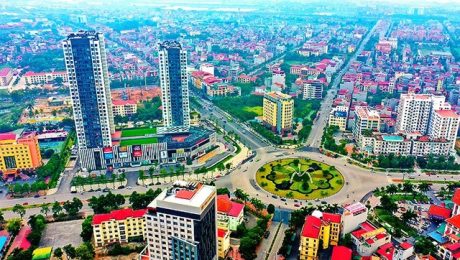
On behalf of the Politburo, Standing Member of the Secretariat Tran Cam Tu signed and issued Conclusion No. 52-KL/TW dated June 20, 2026, of the Politburo on the policy to establish Bac Ninh City directly under Central authority based on the administrative boundaries of Bac Ninh Province.
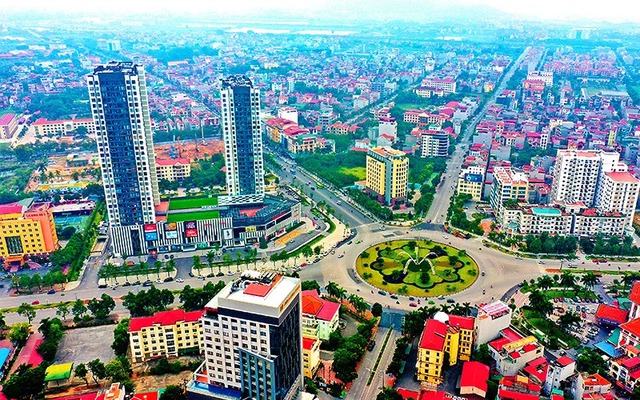
Conclusion No. 52-KL/TW clearly states: Considering Proposal No. 15-TTr/TU dated May 19, 2026, of the Bac Ninh Provincial Party Committee requesting the policy to establish Bac Ninh City directly under Central authority based on the administrative boundaries of Bac Ninh Province, the Politburo concluded as follows:
Agreed on the policy to establish Bac Ninh City based on the administrative boundaries of Bac Ninh Province.
Focus on developing Bac Ninh City as a model green, smart, modern, civilized, prosperous city, deeply imbued with the Kinh Bac cultural identity. Economic development associated with ecological environment protection, taking science, technology, and innovation as the main growth drivers.
Develop modern, high-tech industry that deeply participates in the global supply chain; form an electronics industry center with a focus on semiconductor industry, microchip manufacturing, and artificial intelligence leading the country and the region. Synchronously complete road, waterway, railway, airway, and smart urban transport infrastructure, connecting major urban centers with multimodal logistics service infrastructure; develop harmoniously and synchronously among localities within the city.
Build a lean, professional, modern, integrity-driven, disciplined, highly effective, and efficient urban government that creates development; firmly guarantee national defense, security, order, and social safety. Comprehensively develop cultural and social fields, improve people’s quality of life, enabling citizens to enjoy the fruits of development.
Currently, Vietnam has 7 centrally-governed cities including Hanoi, Hai Phong, Hue, Da Nang, Dong Nai, Ho Chi Minh City, and Can Tho.
Source: Government News (Bao Chinh Phu)
- Published in News
Recent Posts
-
Nippon Zoki (Japan) Invests $15 Million in Spice Processing Plant at Tran Yen Viglacera Industrial Park – Lao Cai Province
Nippon Zoki (Japan) has officially invested in ... -
VIGLACERA BOOSTS INVESTMENT PROMOTION CONNECTING SOUTH KOREAN ENTERPRISES IN SEOUL
South Korea is currently solidifying its positi... -
VIGLACERA INDUSTRIAL PARKS ATTENDS THE “2026 ENTERPRISE GLOBALIZATION ROADSHOW” INVESTMENT PROMOTION EVENT SERIES IN HANGZHOU, CHINA
Recently, Viglacera participated in the investm... -

Viglacera Newsletter Q2 2026
Viglacera Newsletter Q2 2026... -
GROUNDBREAKING OF THE HA NOI – QUANG NINH HIGH-SPEED RAILWAY PROJECT
On April 12, the People’s Committee of Qu...