


On behalf of the Politburo, Standing Member of the Secretariat Tran Cam Tu signed and issued Conclusion No. 52-KL/TW dated June 20, 2026, of the Politburo on the policy to establish Bac Ninh City directly under Central authority based on the administrative boundaries of Bac Ninh Province.
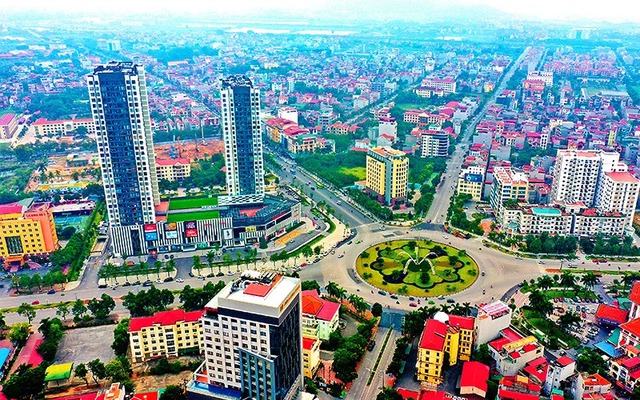
Conclusion No. 52-KL/TW clearly states: Considering Proposal No. 15-TTr/TU dated May 19, 2026, of the Bac Ninh Provincial Party Committee requesting the policy to establish Bac Ninh City directly under Central authority based on the administrative boundaries of Bac Ninh Province, the Politburo concluded as follows:
Agreed on the policy to establish Bac Ninh City based on the administrative boundaries of Bac Ninh Province.
Focus on developing Bac Ninh City as a model green, smart, modern, civilized, prosperous city, deeply imbued with the Kinh Bac cultural identity. Economic development associated with ecological environment protection, taking science, technology, and innovation as the main growth drivers.
Develop modern, high-tech industry that deeply participates in the global supply chain; form an electronics industry center with a focus on semiconductor industry, microchip manufacturing, and artificial intelligence leading the country and the region. Synchronously complete road, waterway, railway, airway, and smart urban transport infrastructure, connecting major urban centers with multimodal logistics service infrastructure; develop harmoniously and synchronously among localities within the city.
Build a lean, professional, modern, integrity-driven, disciplined, highly effective, and efficient urban government that creates development; firmly guarantee national defense, security, order, and social safety. Comprehensively develop cultural and social fields, improve people’s quality of life, enabling citizens to enjoy the fruits of development.
Currently, Vietnam has 7 centrally-governed cities including Hanoi, Hai Phong, Hue, Da Nang, Dong Nai, Ho Chi Minh City, and Can Tho.
Source: Government News (Bao Chinh Phu)